
Why does the world need to limit nitrogen pollution? What are the sources and impact and, what can we do about it?
Fertilizer manufacture accounts for 63% of the anthropogenic fixation of pure nitrogen to reactive nitrogen. Half of nitrogen fertilizers added to farm fields ends up as pollution

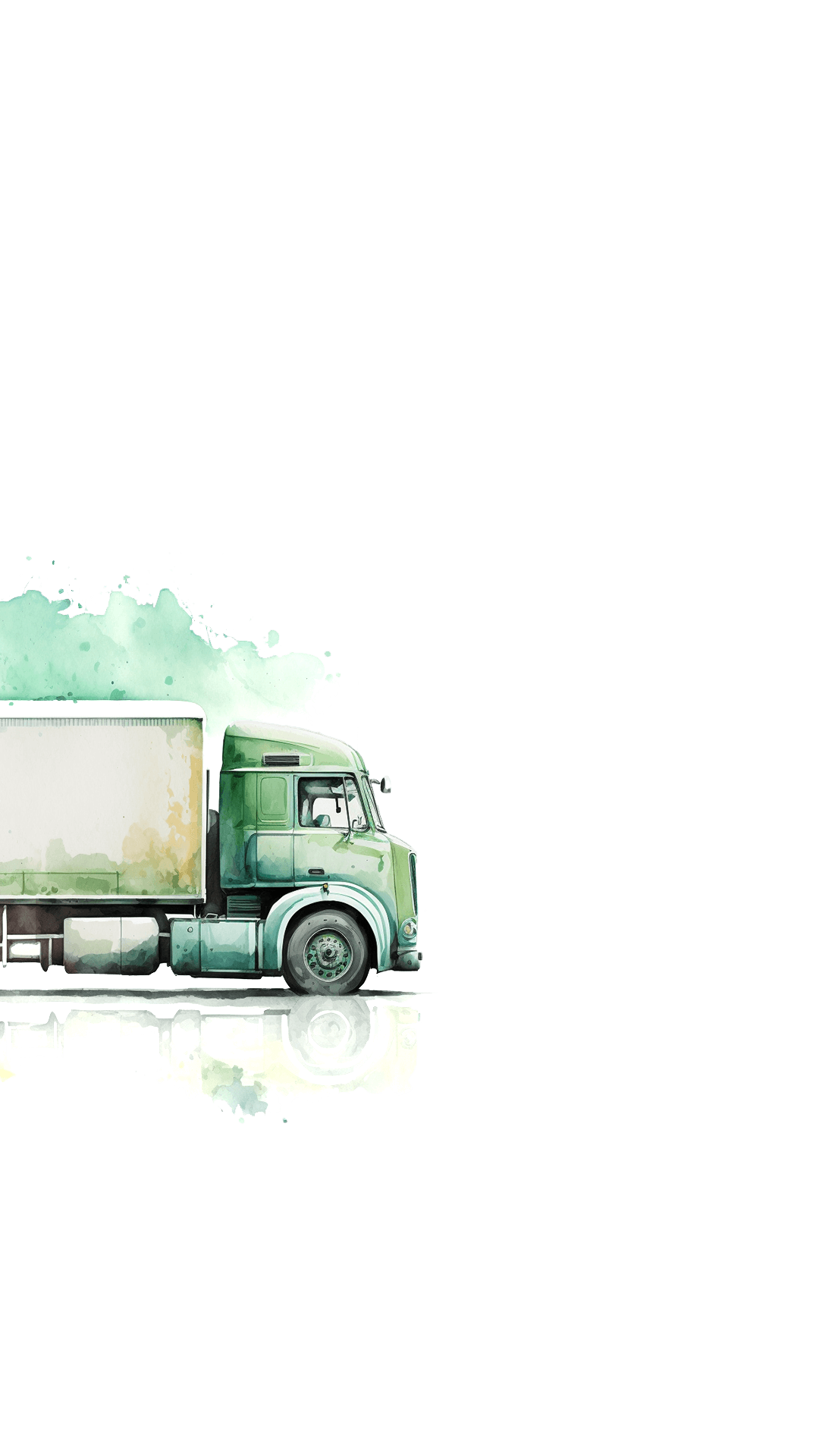
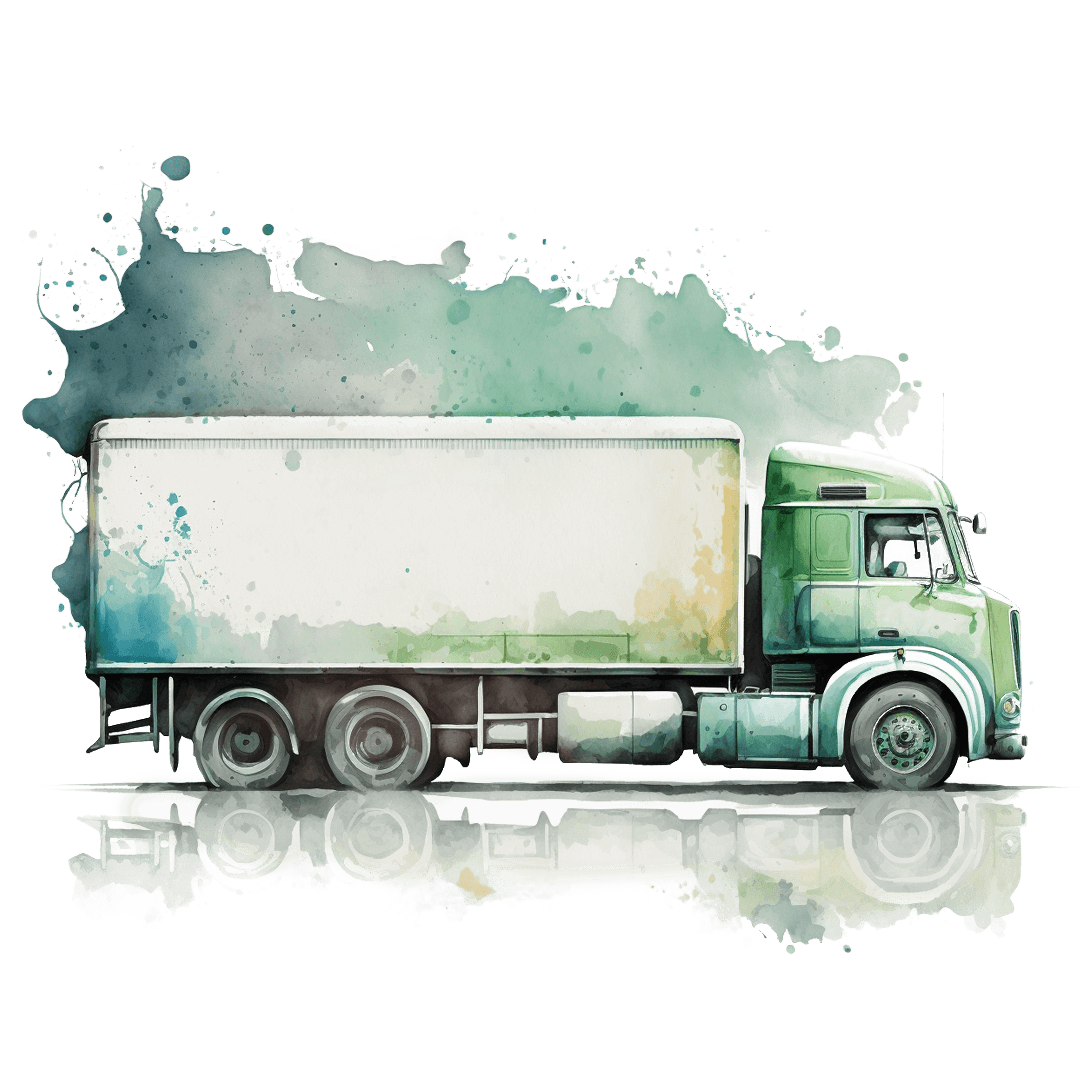
The transport sector contributes to more than 65% of reactive nitrogen produced by fossil fuel combustion.
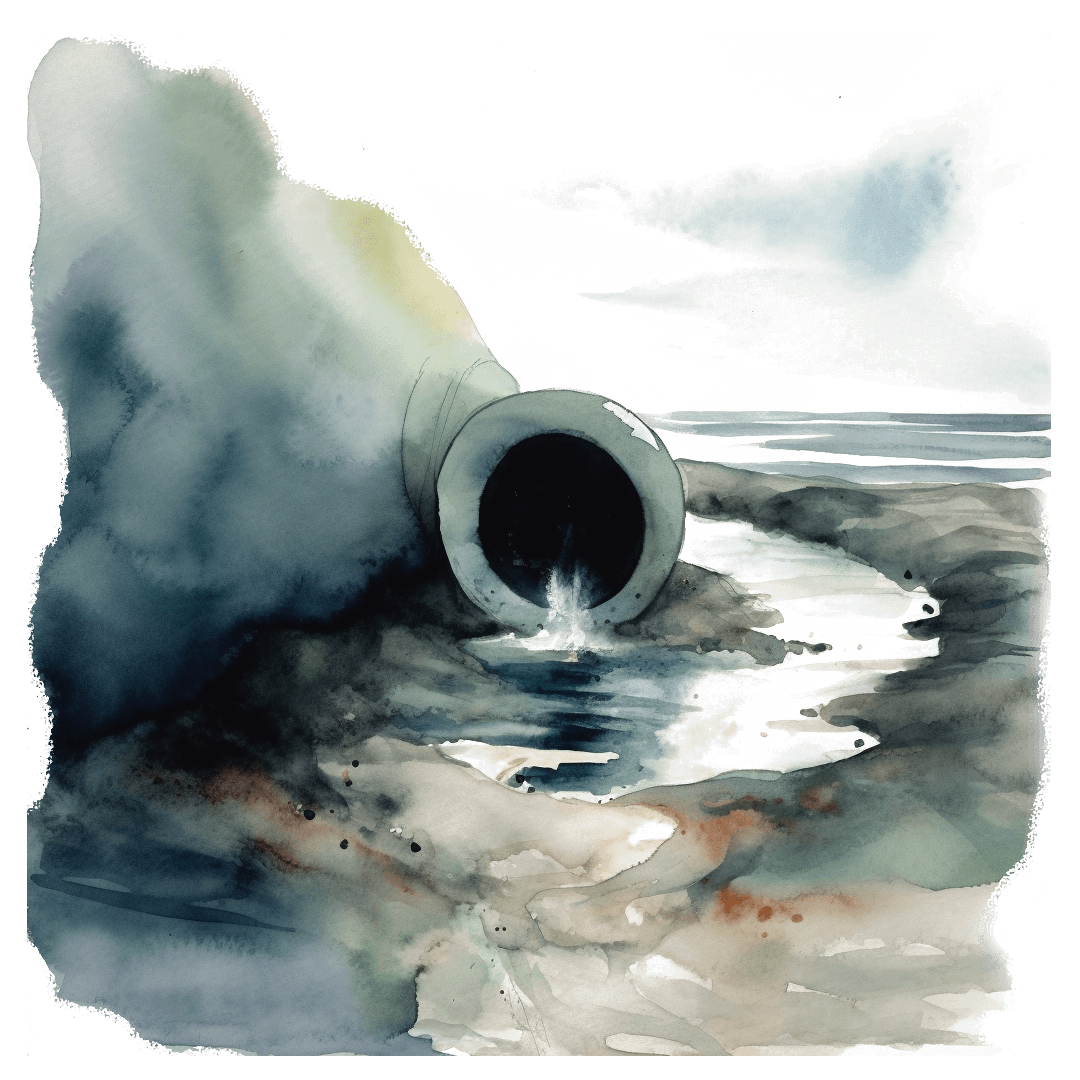
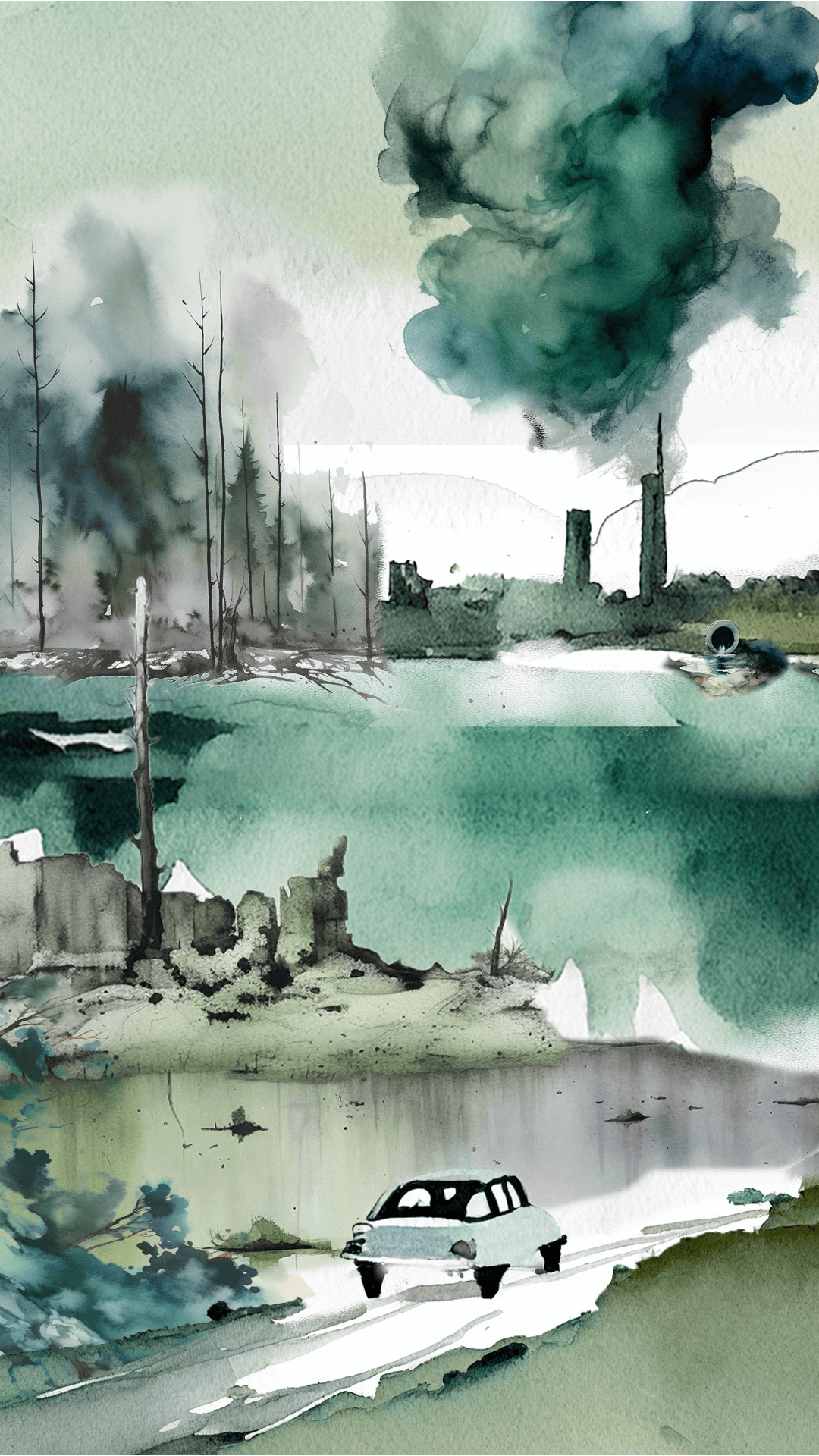
Nitrogen pollution through wastewater causes eutrophication and affects biodiversity
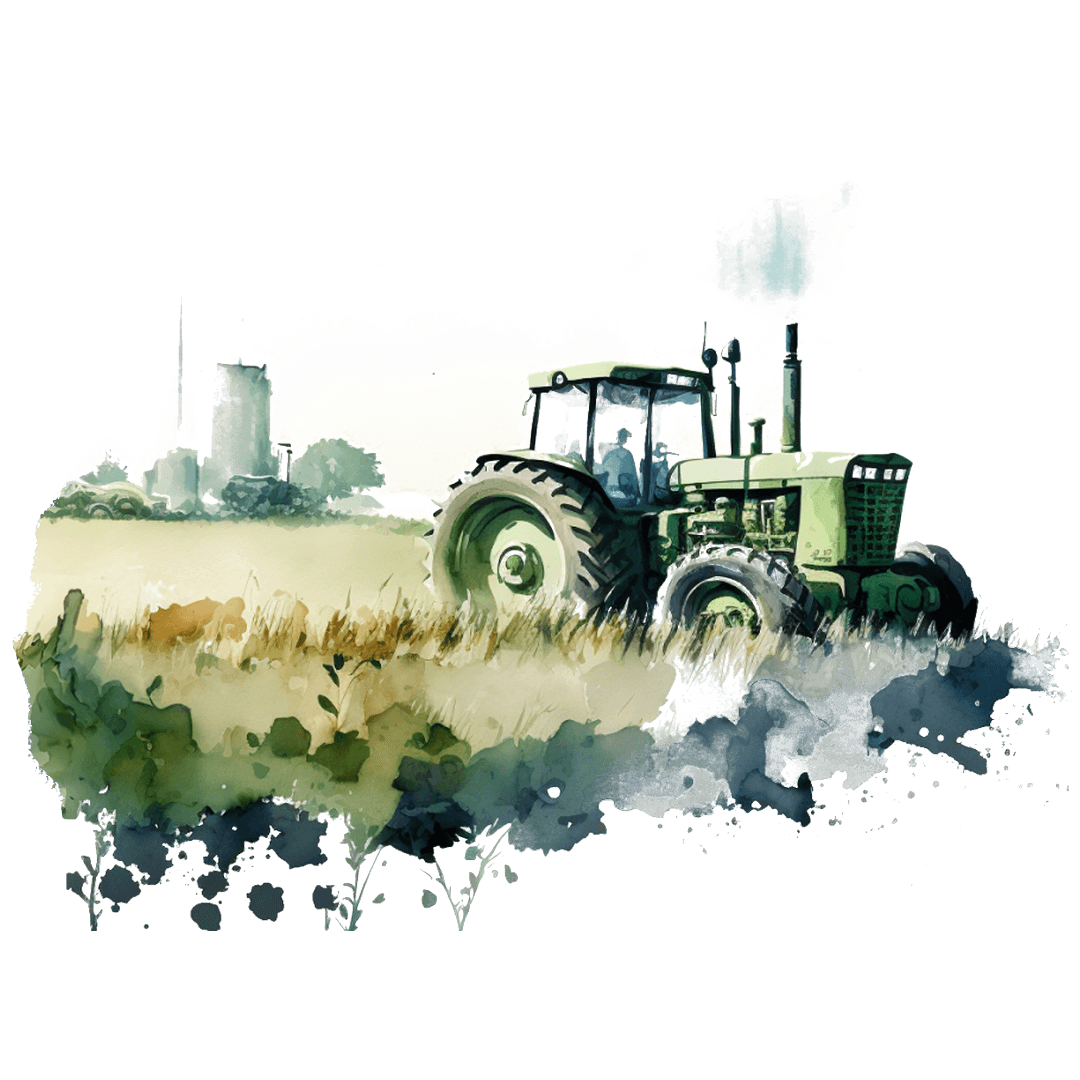
Biological nitrogen fixation in crop production is responsible for 24% of the conversion of pure nitrogen to reactive nitrogen.
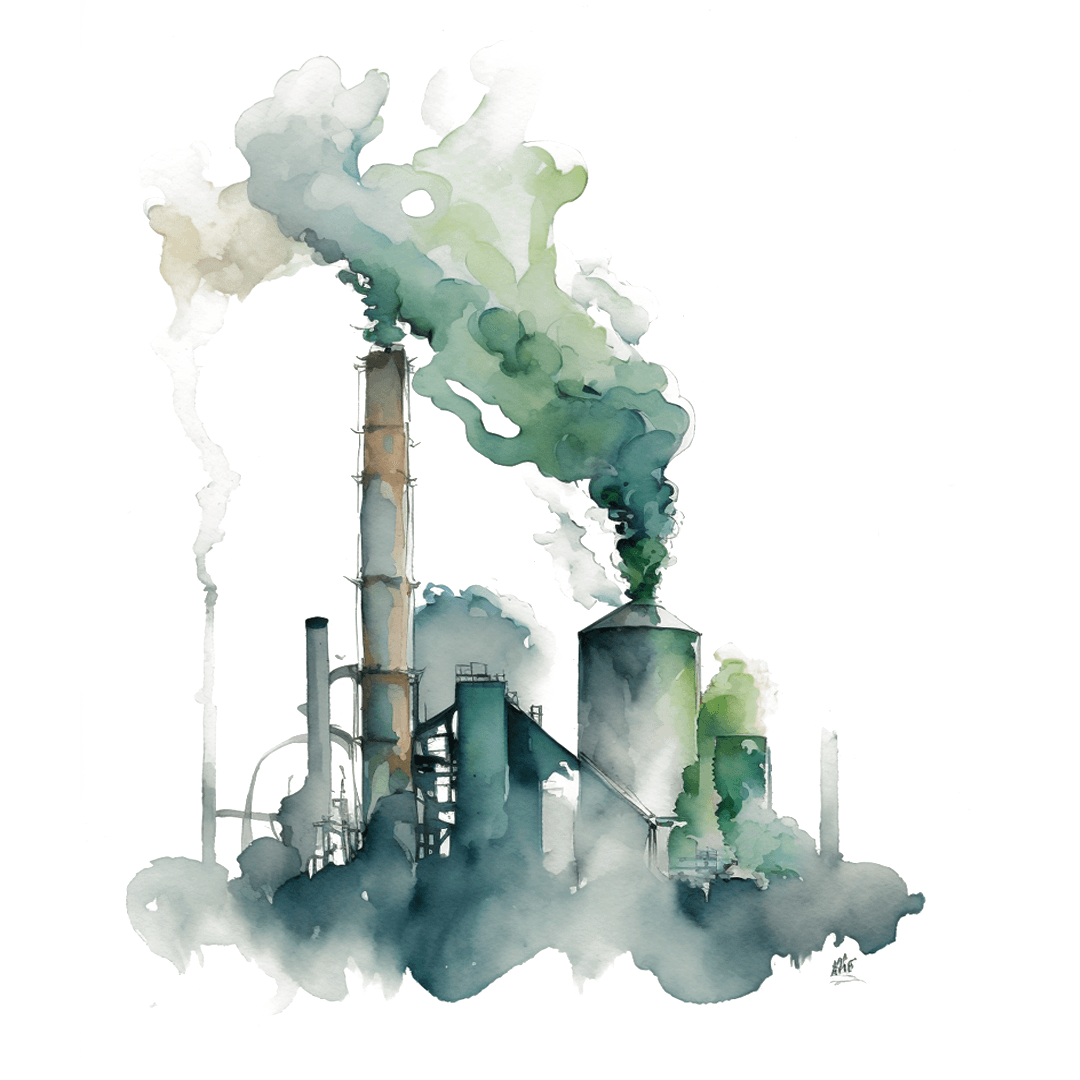
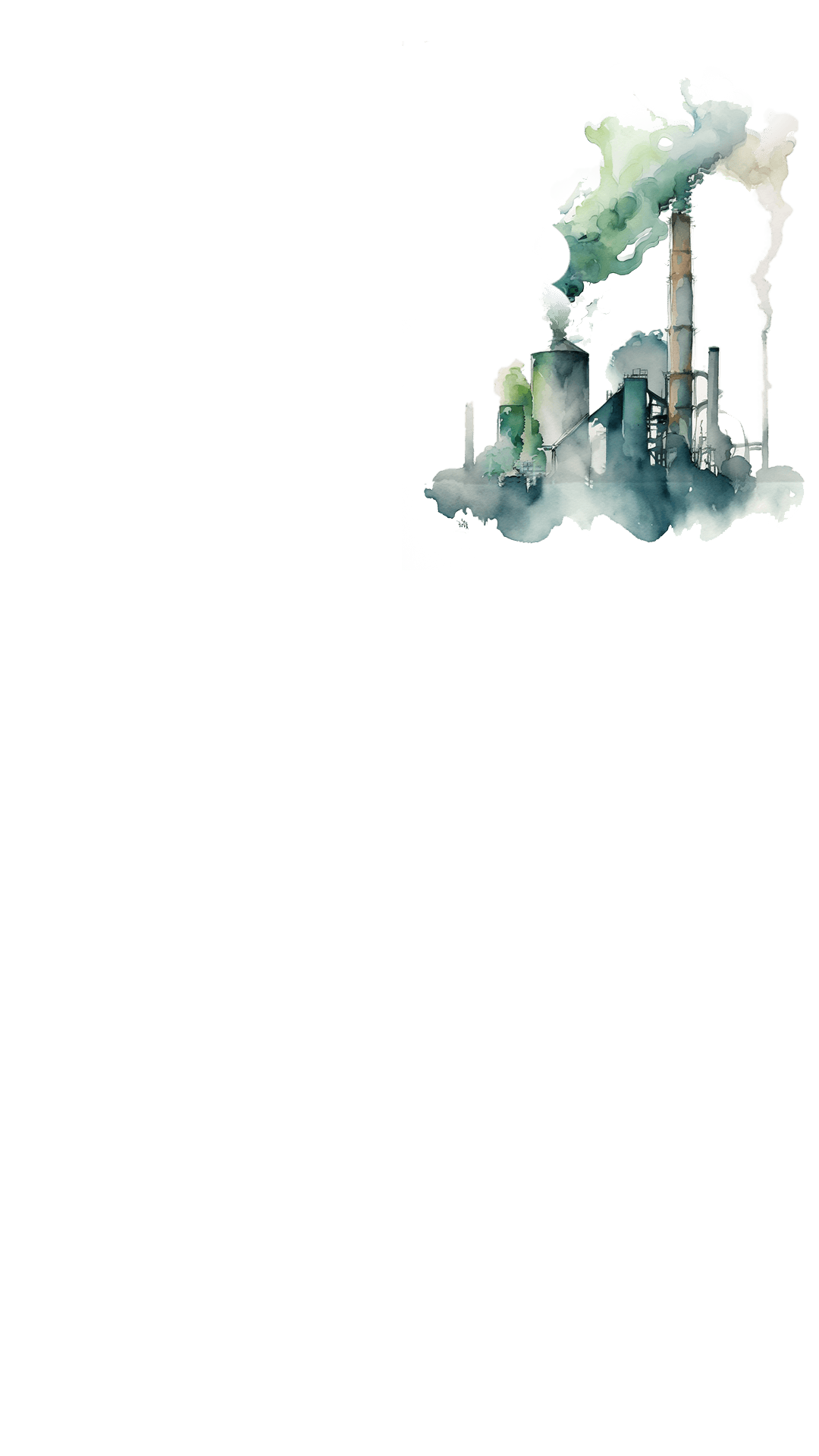
High temperature combustion of coal, petroleum and natural gas releases a large amount of reactive nitrogen. Fossil fuel combustion is responsible for 13% of the anthropogenic fixation of pure nitrogen to reactive nitrogen

Reactive nitrogen is also lost to the environment through food waste. Every year about 1/3 of the food produced globally for human consumption is lost or wasted

Reactive nitrogen is 300 times more potent than CO2. It also damages the ozone layer

Nitrogen deposition is the most influential global driver of anthropogenic biodiversity decline besides habitat destruction and the emission of greenhouse gases
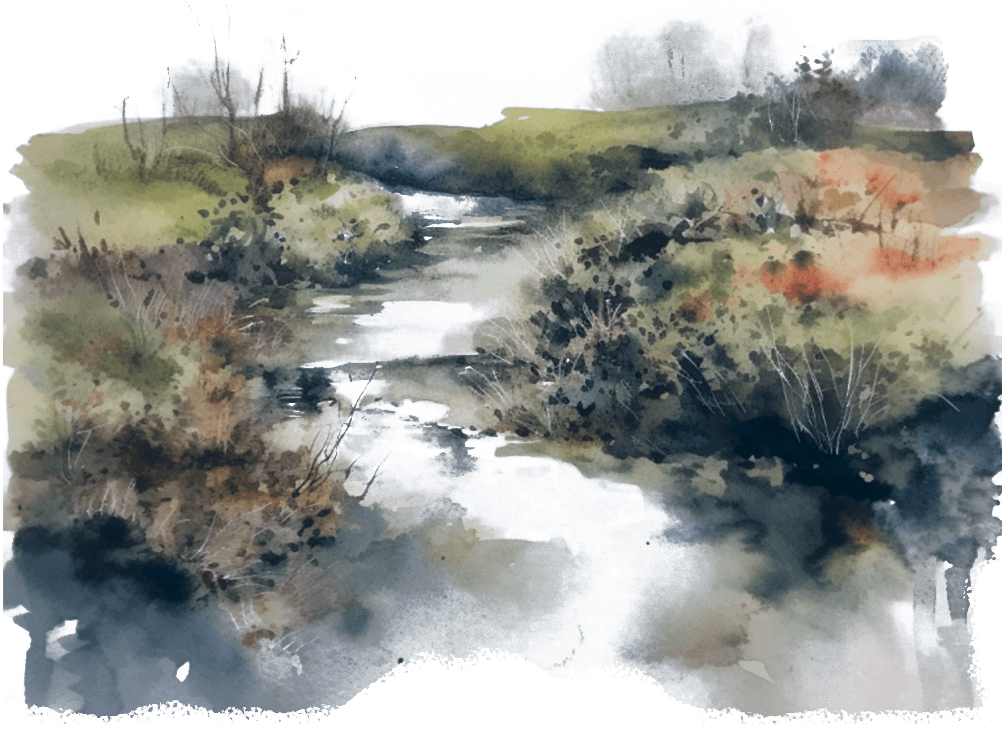
High nitrate concentrations in drinking water are dangerous for human health, and nitrogen enrichment in aquatic ecosystems is responsible for toxic algal blooms, water anoxia, fish kills and habitat and biodiversity loss
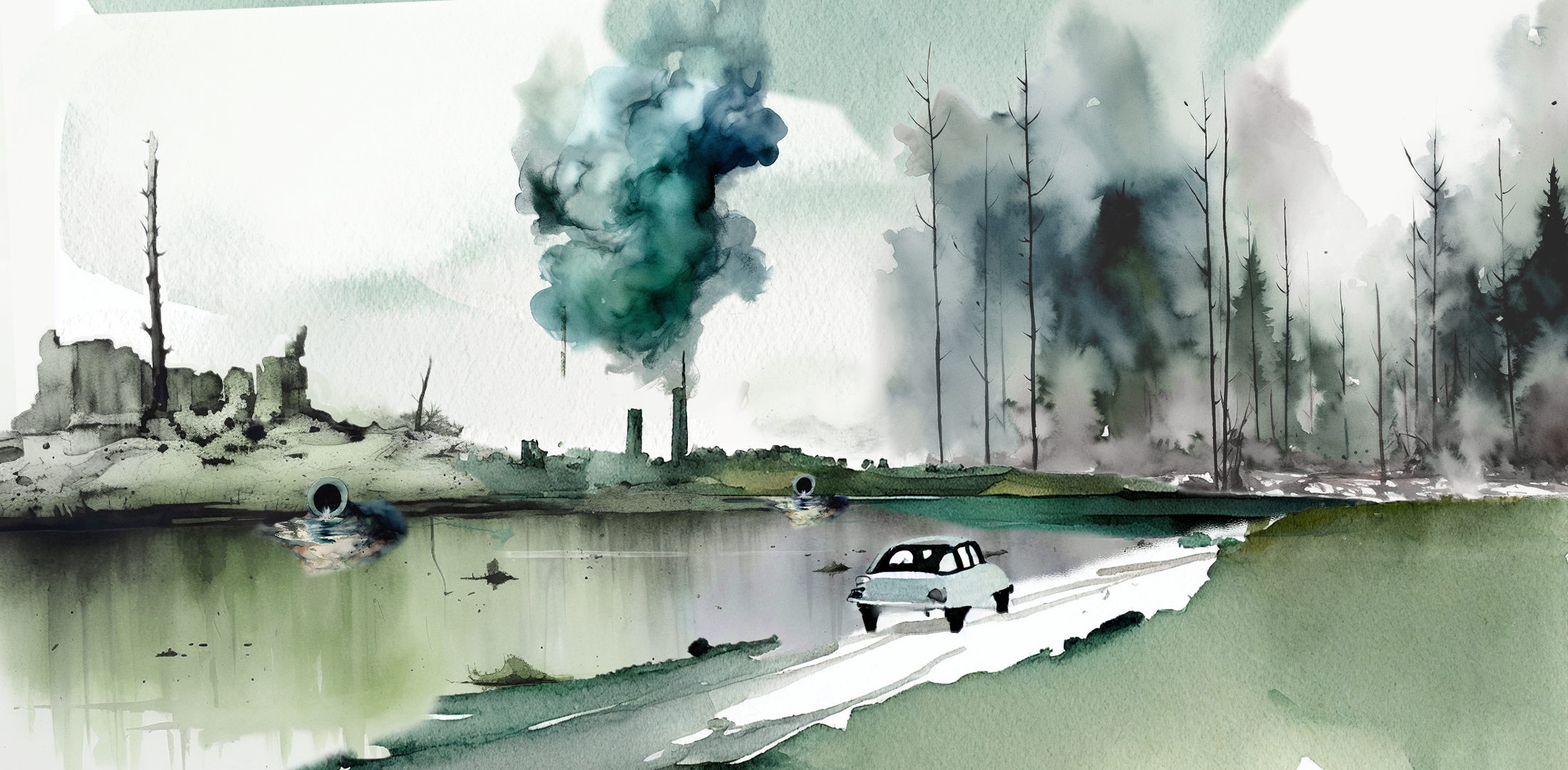
The build-up of nitrogen pollution in the environment is a significant threat to global biodiversity, particularly to that of freshwater and marine habitats by leading to eutrophication and hypoxic or 'dead' zones that support no aquatic life

Atmospheric emissions of nitrogen oxides and ammonia are contributing to a number of negative effects to human health and ecosystems

High nitrogen inputs threaten soil quality, which in turn may negatively affect food and biomass production and biodiversity and enhance emissions of harmful nitrogen compounds from soils to water and the atmosphere

The amount of lost nitrogen resources also represents a significant cash loss, which is estimated to be around US $200 billion.
Nitrogen pollution also impacts human health. This has been particularly relevant during the coronavirus pandemic, as agricultural ammonia emissions combined with pollution from vehicle exhausts create extremely dangerous particulates in the air, which can ultimately exacerbate respiratory diseases
Governments need to be engaged through improved legislation and enforcement of municipal, national, and international policies that promote practices for the sustainable use of nitrogen

The scientific, political, and private sector communities need to bridge the gaps between science, policy, and practice and support the development of a roadmap to reduce nitrogen pollution
Improved knowledge among the general public about nitrogen pollution can increase their commitments to the issue and lead them to raise their voices and alter their own consumption choices
Most of the United Nations Sustainable Development Goals are closely interlinked with sustainable nitrogen management. Meeting these goals in parallel depends on awareness of efficient and sustainable nitrogen management
When it comes to nitrogen, out of sight can't be out of mind. Taking all factors into account, it seems evident that enhancing sustainable nitrogen management represents a crucial endeavour to secure the planet's future
Why does the world need to limit nitrogen pollution? What are the sources and impact and, what can we do about it?